

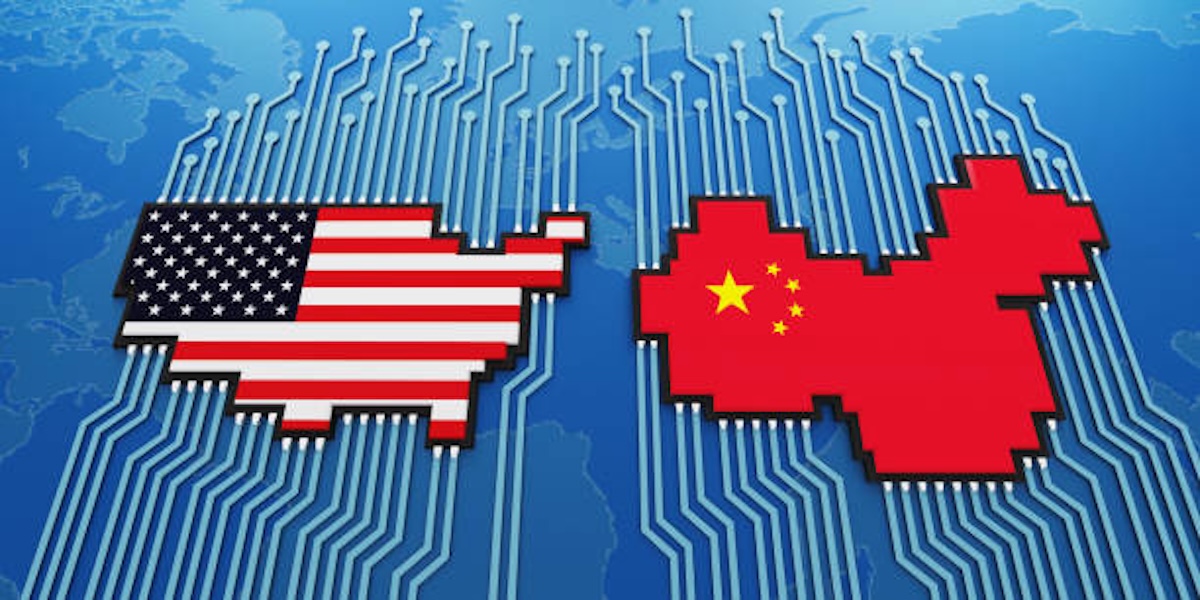
Major Chinese solar companies are in a rush to reverse big investments as American firms look to build homegrown supply chains.
U.S.-based subsidiaries of Chinese firms have rushed to meet the new ownership ceiling. JinkoSolar reduced its stake in its Florida-based subsidiary from 100 percent to 24.9 percent in May this year, selling it to FH Capital for $191.5 million. Trina Solar sold its Texan facility to U.S. firm T1 Energy in December 2024. The Chinese firm never held more than the 25 percent equity limit, and in May reduced its share even further to 11 percent.
New York-headquartered Corning, which has committed to building a domestic solar supply chain, bought JA Solar’s Arizona-based solar production facility in 2025.
Longi has also reduced its involvement in its joint ventures: its U.S. partner in a Georgia-based battery manufacturing plant, NeoVolta, increased its share of the JV to 80 percent from 60 percent in April. Meanwhile in Ohio, U.S. firm Invenergy now owns a supermajority of its venture with Longi, and announced this year it will take steps to remove China from its supply chain.
Made-in-America solar advocates say the reduced Chinese stakes are a necessary correction, arguing that the earlier Chinese investment blitz had merely extended U.S. dependence on Chinese solar imports. Those Chinese firms that had invested in the U.S. were setting up final assembly plants, rather than fabs that could do the higher-value work of manufacturing solar cells and wafers.
“When you take a step back, the investment from the Chinese and Chinese controlled entities in the United States is not actually to support a thriving U.S. domestic solar market,” says Yogin Kothari, co-founder and head of strategy at the Solar Energy Manufacturers for America (SEMA) Coalition. SEMA represents major non-Chinese solar manufacturers who are investing in the U.S.-made solar supply chain.
Read the article.