

The reshoring momentum began more than 10 years ago, ignited by the 2012 presidential race between Barack Obama and Mitt Romney, during which both men criticized China for stealing American jobs, manipulating its currency, and committing human rights abuses. Reshoring experienced slow but steady growth over the next few years as companies began to consider bringing more manufacturing back to America. But the reshoring movement accelerated quickly after the COVID-19 pandemic exposed the enormous risks in global supply chains.
Since 2020, reshoring has been on the agenda in boardrooms across America, where rethinking global manufacturing has become a consistent topic of discussion. But even with all the executive attention, the question remains: Is manufacturing really coming back?
Yes and No
Reshoring is a popular idea and an obvious choice for American manufacturers, as long as businesses can make the economics work. That is, can a company compete on production costs with existing U.S. labor rates, which are often as much as 10 times higher than those in low-cost countries? In addition, companies must consider the complicated U.S. regulatory environment, environmental requirements and inconsistent government policy.
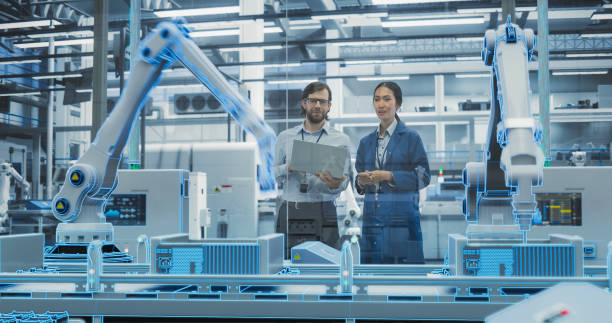
Companies that can automate production through capital equipment expenditures and reengineer their processes have a chance to make the economics work. But companies that depend on significant labor to build their products may not be able to compete. Reducing labor costs and automating production are key to successfully manufacturing in America.
Other Made-in-USA Requirements Attracting FDI
Other U.S. government spending programs require products to be manufactured in America. The Infrastructure Investment and Jobs Act, the CHIPS and Science Act, and the Inflation Reduction Act all include requirements to buy raw materials, parts, subassemblies and other goods made, or at least partially made, in America. These funded programs have driven some manufacturing back to the United States, along with a significant amount of foreign direct investment from companies seeking to participate in government-funded programs.
For example, under the Infrastructure Investment and Jobs Act, specifically the Build America, Buy America Act, all iron, steel, manufactured products and construction materials used in federally funded public infrastructure projects must be produced in the United States.
Read the article.