
The Federal Trade Commission’s Made in USA standard says an unqualified “Made in USA” claim requires three things: final assembly or processing in the U.S., all significant processing in the U.S., and all or virtually all components made and sourced in the U.S. Qualified claims, such as “Made in USA of imported components,” are allowed if they are accurate.
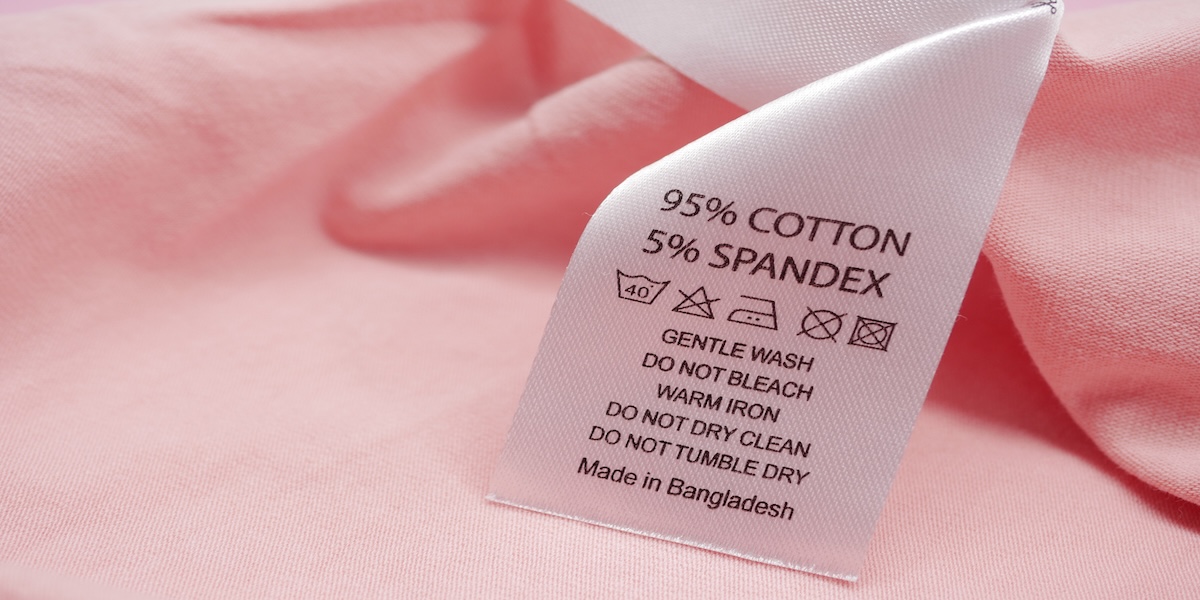
Here is what surprises people. No federal law requires most products sold in the U.S. to carry an origin label at all. The FTC says only automobiles and textile, wool and fur products have specific origin-disclosure laws. A watch or a leather wallet stamped with nothing about where it came from is not automatically breaking a rule. What counts is what the marketing claims.
And marketing can claim origin without saying the words. The FTC’s guidance says U.S. flags, maps and “references to U.S. locations of headquarters or factories” can imply U.S. origin, while a brand name alone ordinarily does not. It also says marketers should not imply a whole product line is made in the U.S. when only some of its products meet the standard. The homepage factory photo and the product tag are supposed to tell the same story.
The clearest public record on this question is a June 16, 2016 letter from the FTC’s Bureau of Consumer Protection to Bedrock Manufacturing, which did business as Shinola/Detroit and owned Filson. In the letter, FTC staff said some of the company’s marketing overstated how much certain watches, leather goods and bicycles were “made” or “built” in the U.S. Staff wrote that 100% of the materials cost of certain watches was imported, and more than 70% for certain belts.
The company adopted a remedial plan that included corrective hangtags, redesigned casebacks and dropping its “Where American is Made” slogan. FTC staff said it would not recommend enforcement “at this time” and would keep monitoring. The letter states it is not a determination that there was no violation. Shinola founder Tom Kartsotis said in 2016 that the company did not intend to deceive buyers with its American branding and acknowledged flaws in its marketing.
Read the article.