

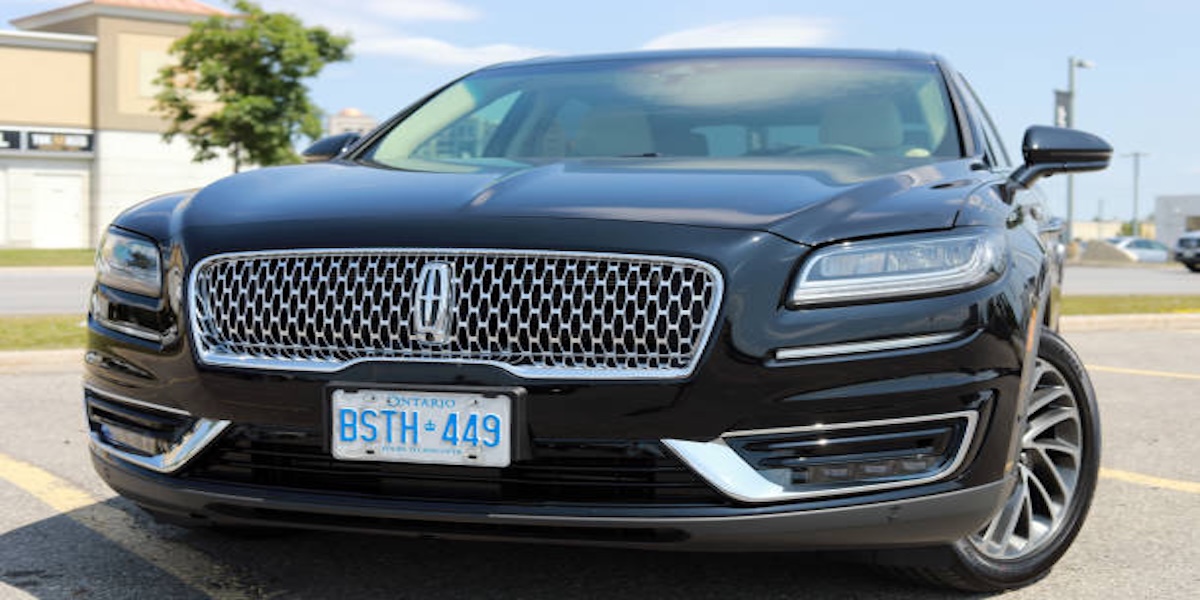
Ford will stop importing the Lincoln Nautilus into the US from China, the only model for which it currently does so, shifting production to American plants beginning in 2030. Chief Executive Jim Farley characterised the decision as difficult but necessary—a bid to strengthen Ford’s domestic manufacturing base—in a Reuters joint interview with Commerce Secretary Howard Lutnick.
Like so many automotive manufacturing decisions made since President Donald Trump returned to office, tariffs underpin much of the shift’s logic. As it stands, the Nautilus currently faces a 52.5% duty on entry to the US, combining the baseline 2.5% passenger car tariff with layered Section 301 industrial levies—a rate steep enough to erase whatever cost advantage originally justified building the SUV in Hangzhou. The vehicle is manufactured through Ford’s joint venture with Chongqing-state-owned automaker Changan. “We made this decision as soon as the policy of the administration was set,” Farley said. “We knew exactly what they wanted to do, and we knew exactly what it meant for Ford.”
A separate regulatory issue has been resolved alongside the tariff decision, but it was not the deciding factor. Ford had previously sought authorisation from the Commerce Department to keep selling the Nautilus when new rules governing connected car technology take effect in 2027. Under the regulation, Chinese-developed software and hardware will be banned in US-sold vehicles.
Read the article.