

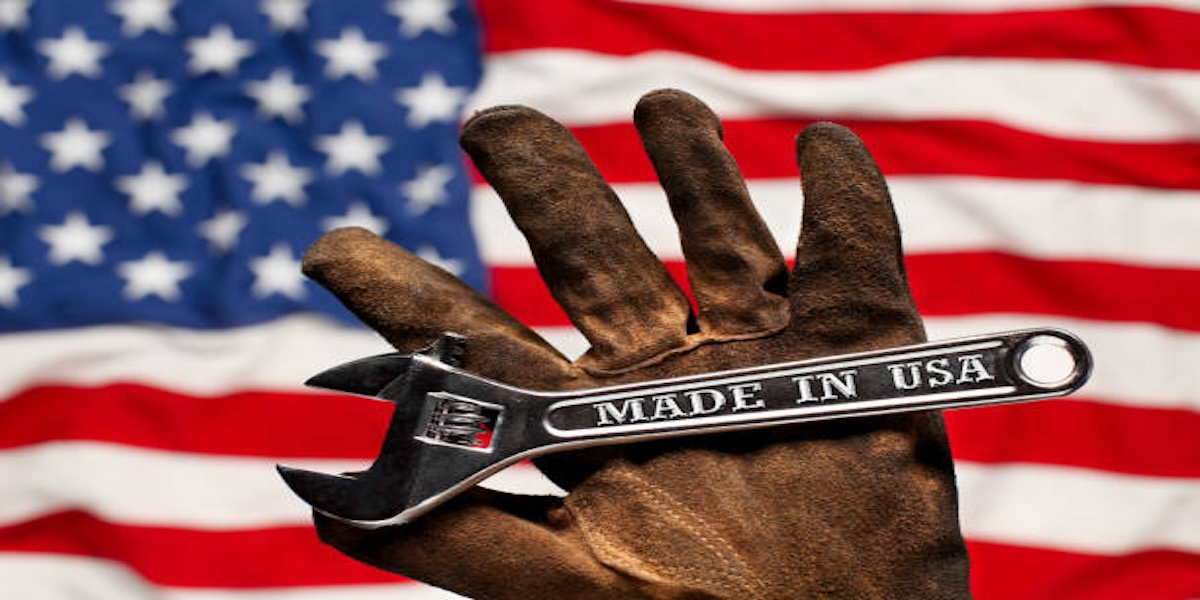
With all the recent press and publicity surrounding tariffs on imported goods, it raises an important question: What is actually made in America?
Several companies I’ve worked with manufacture certain components in the United States, but ship them overseas for assembly and painting because—even with shipping costs—it can be significantly less expensive. Others manufacture parts overseas, ship them to the U.S. for final assembly, and market their products as “Assembled in America.”
So what are the actual rules governing “Made in America” labeling?
The Federal Trade Commission (FTC) addressed this with a Made in USA (MUSA) Labeling Rule proposed in June 2020. According to the FTC, an unqualified “Made in USA” claim is only allowed if:
* Final assembly or processing occurs in the United States;
* All significant processing takes place in the United States; and
* All, or virtually all, components and ingredients are sourced in the United States.
In short, some components can be outsourced and still qualify.
Read the article.